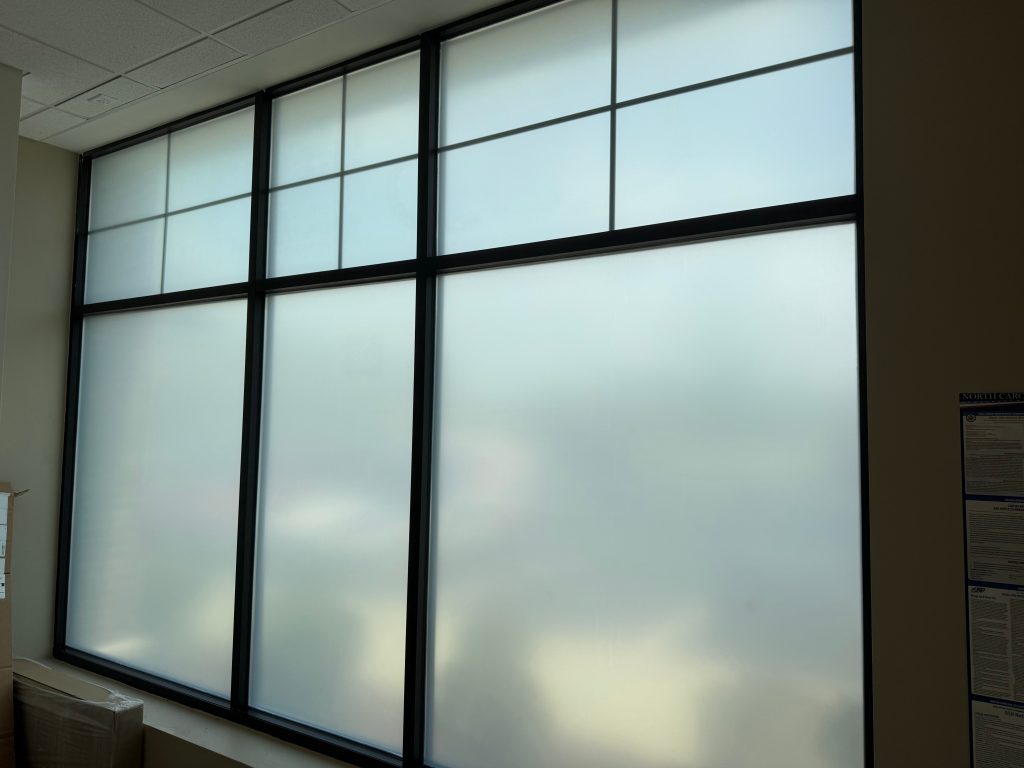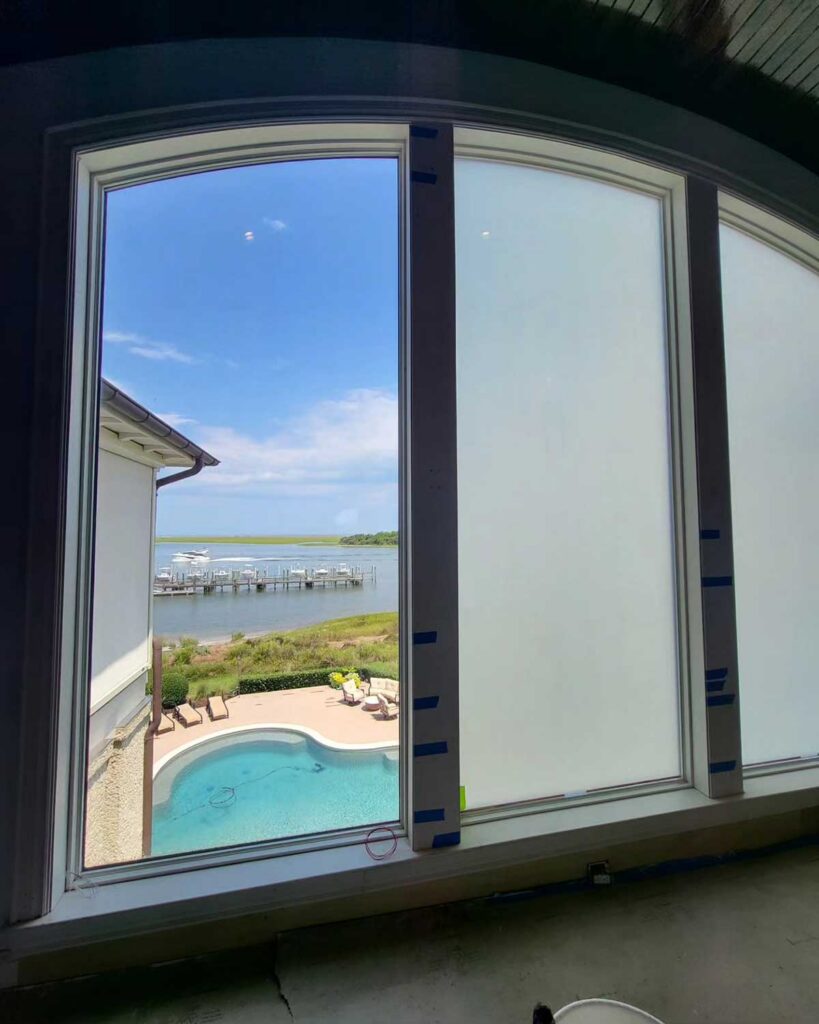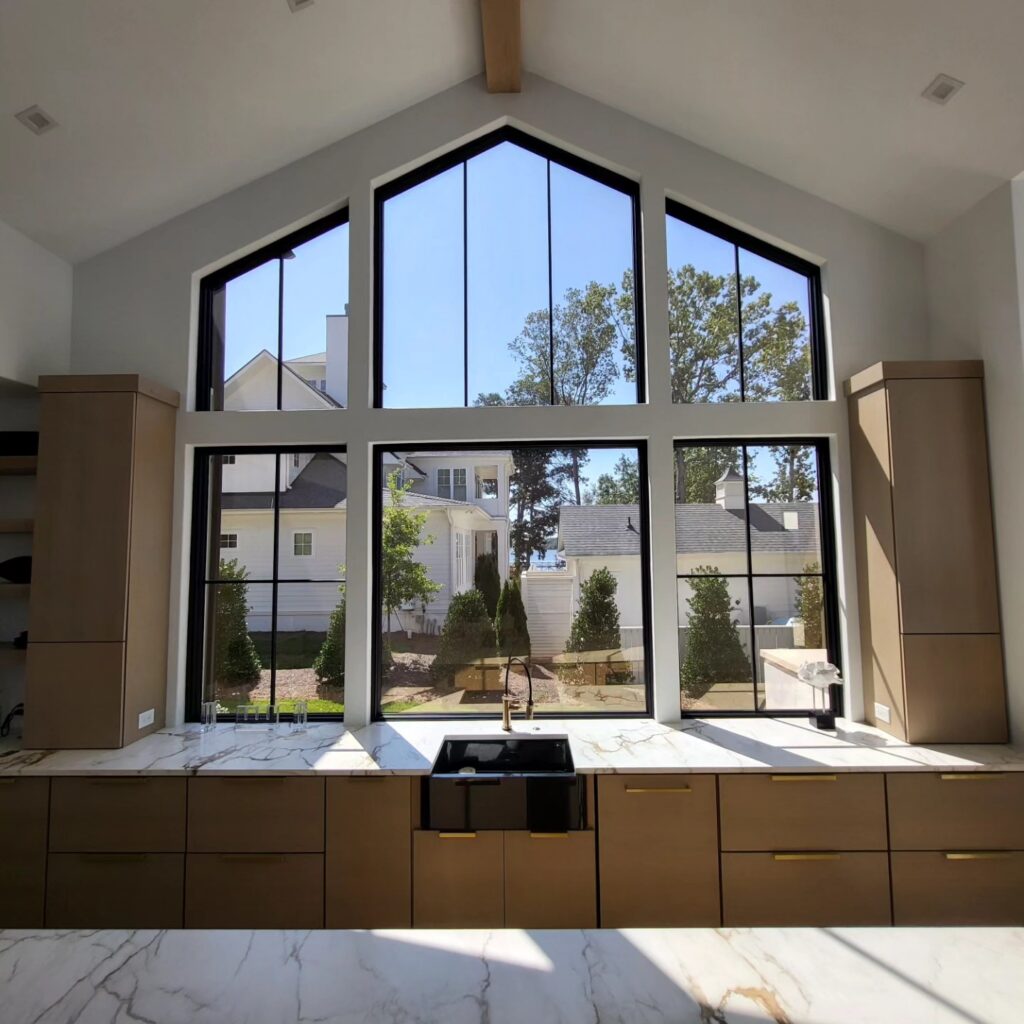
Glare reduction with professional window film installation minimizes harsh reflections and excessive brightness in offices. This solution enhances employee well-being and productivity by creating more comfortable and functional workspaces. It makes screens easier to view and reduces eye strain, making office environments more conducive to work.
Office Glare and Workplace Productivity
Persistent bright spots and reflections on computer screens compromise worker comfort and productivity. Excessive glare in office settings forces employees to strain their eyes, adjust their posture, or constantly shift positions. This can lead to:
- Visual fatigue
- Headaches
- Muscular discomfort
For people working in commercial buildings in areas with intense sun exposure, such as the Southeast, persistent glare diminishes focus and overall job performance. Professional window film solutions directly address this issue, providing a more comfortable and productive workspace for employees.
Glass Performance Evaluation for Glare Solutions
Effective glare reduction begins with understanding a building’s existing glass performance. To help address glare, Tint USA’s provides all customers an on-site consultation during which certified technicians use professional-grade meters to assess how current windows:
- Transmit visible light
- Reject heat
- Block UV radiation
This detailed evaluation identifies the precise causes and severity of glare, whether it stems from direct sunlight, sky brightness, or reflected light from adjacent buildings. This diagnostic step is critical for developing a tailored solution to solve the problem.
Solar Control Films vs. Other Glare Management Methods
Solar control films offer distinct advantages over traditional methods like blinds or curtains when addressing office glare. While blinds and curtains block glare, they often sacrifice natural light and views, creating a closed-off, dim environment. Solar control films are designed to significantly reduce visible light transmission that leads to glare and solar heat gain without obstructing the views or darkening spaces. These films specifically target the wavelengths of light responsible for glare and heat, allowing office spaces to remain bright and open while drastically reducing glare. Unlike internal shading, films address the problem at the source: the window itself.
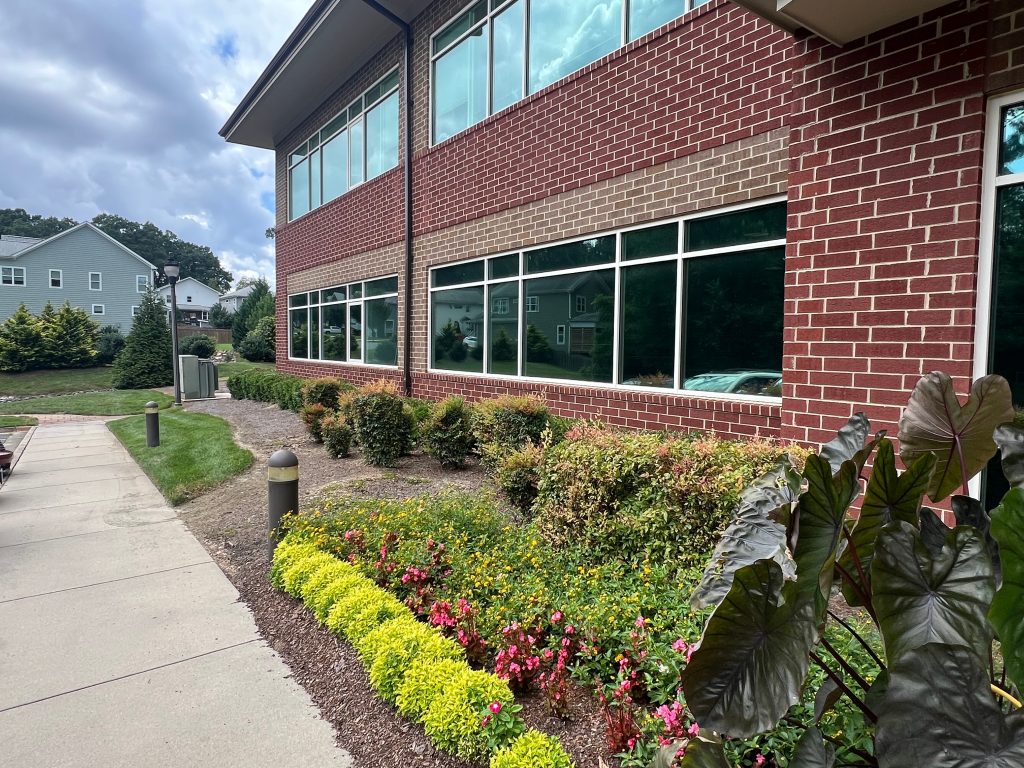
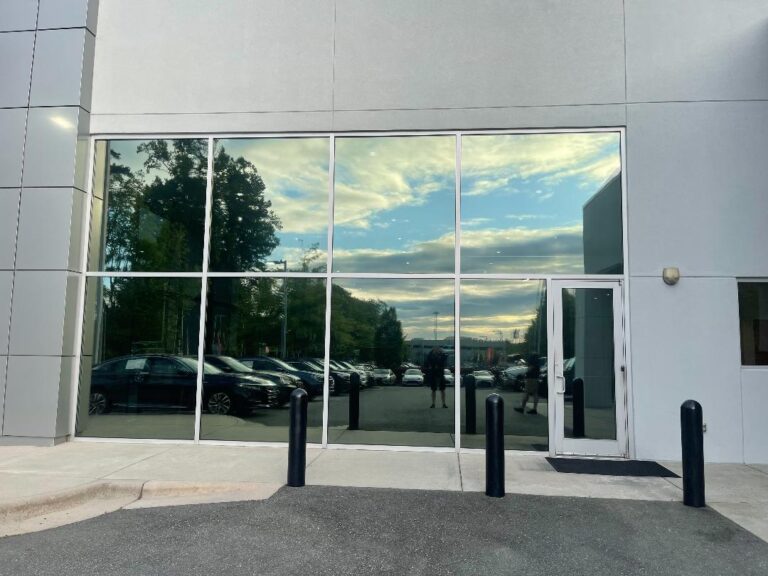
A commercial window film installation in Raleigh, NC. View more past projects of offices and commercials spaces in our gallery.
Specialized Films for Digital Screen Glare
Digital screen glare poses a unique challenge in offices, as even moderate brightness renders monitor content difficult to see. Specialized films, particularly those with low reflectivity and specific visible light transmission rates, tackle this issue directly. These films are meticulously designed to minimize reflections that bounce off screen surfaces, enhancing contrast and readability. Unlike generic window films, products optimized for digital environments consider the specific angles and types of light contributing most to screen discomfort. This tailored approach prevents eye strain and maintains focus during extended periods of computer use, a common concern in contemporary workplaces throughout North and South Carolina.
Selecting Glare Reduction Film for Your Office
Choosing the appropriate glare reduction film involves balancing several factors, including:
- The intensity of solar exposure
- Desired light levels
- Privacy needs
- Aesthetic preferences
Our consultation process guides you through this selection, demonstrating how different films perform on actual windows. For example, an office with severe direct sun exposure benefits from a darker, higher-performance solar film to block sun glare effectively. A space needing more subtle control might opt for a spectrally selective film.
During the consultation, film samples are installed on-site, allowing building managers and employees to experience the tangible difference in light, heat, and view before making a decision.
Commercial Solar Film Benefits for Offices in the Southeast
The intense Carolina heat and humidity often lead to increased cooling costs and uncomfortable indoor temperatures, but commercial solar film can significantly reduce energy costs for businesses. Solar film directly mitigates solar heat gain, reducing the load on HVAC systems and helping cut energy costs for businesses, especially in warm locations like the South.
Beyond energy savings, these films create a more consistent and comfortable internal climate, eliminating hot spots near windows that often lead to employee discomfort. Our in-house technicians are certified and have extensive knowledge of local climate conditions, allowing them to recommend solutions specifically tailored to these environments. This makes window film a strategic long-term investment for improving both operational efficiency and occupant satisfaction.
Choosing the Right Type of Glare Reduction Film for You
Optimal glare control requires familiarity with the various options available. The market offers various film technologies, each with distinct properties:
- Dyed films reduce glare by absorbing solar energy, often resulting in a darker appearance.
- Reflective films contain metallic layers that reflect solar energy away from the building, offering strong glare control and privacy, though they can have a more mirrored exterior look.
- Spectrally selective films are advanced products that target specific portions of the solar spectrum, allowing high visible light transmission while rejecting a significant amount of heat and UV rays; these are particularly useful for maintaining bright interiors.
Films vary in visible light transmission (VLT) percentages, with lower VLT films reducing more glare but also darkening interiors more significantly. Understanding these technological differences ensures the film’s performance characteristics align with the specific glare control needs of an office environment.
On-Site Consultation and Installation Expertise
An on-site consultation process is foundational to delivering effective glare reduction solutions. It involves a detailed assessment of an office’s specific needs, including measuring existing glass performance and discussing peak glare times and affected areas. This personalized approach allows for recommendations of films that genuinely address concerns.
Following selection, the installation expertise of in-house certified technicians ensures flawless application. Unlike less experienced installers or DIY methods, the team meticulously prepares surfaces, applies film with precision, and conducts post-installation checks to guarantee optimal performance and longevity. This dedication to quality workmanship and a science-driven service model sets providers apart as a long-term service partner committed to exceptional results.
Long-Term Value of Professional Film Installation
A well-done film installation delivers years of consistent performance. Professional film installation offers significant long-term value, extending far beyond immediate glare reduction. Properly installed films are designed for durability, providing years of consistent performance in managing solar heat and glare, which preserves the lifespan of interior furnishings by blocking harmful UV rays.
A commercial window film investment reduces ongoing energy costs, contributing to a quicker return on investment compared to repeated purchases of temporary shading solutions. Furthermore, the enhanced comfort and productivity for employees translate into sustained operational benefits.
Addressing Seasonal Glare During Winter Months
Seasonal glare is a frequent problem, particularly in winter months when the sun’s lower angle causes longer shadows and more direct, intense light penetration. Specialized low-angle solar films are designed to mitigate this, maintaining comfort year-round. Our expertise also extends to managing glare while preserving privacy and have the ability to tailor solutions even in offices with specific requirements.
Plan Your Commercial Film Project
Controlling glare in offices through professional window film installation is a strategic decision that enhances comfort, boosts productivity, and helps manage energy costs. Request your free consultation today.
Frequently Asked Questions
What causes glare in office environments?
Glare in office environments is typically caused by excessive visible light from direct sunlight, reflections from bright outdoor surfaces, or overly bright light fixtures. This can lead to discomfort, eye strain, and reduced visibility on computer screens, impacting employee productivity and well-being.
Can window film help reduce glare on office computer screens?
Yes, specialized window films are highly effective at reducing glare on office computer screens. These films are engineered to manage visible light transmission and minimize reflections, making digital content easier to view and reducing eye fatigue. Different film technologies offer varying levels of glare control.
What types of window film are best for commercial glare control?
Solar control films are generally considered the best for commercial glare control. Options range from spectrally selective films that reduce heat and glare while maintaining light, to more reflective or dyed films that offer stronger light reduction. The ideal choice depends on the specific intensity of glare and the desired aesthetic.
How does professional installation ensure effective glare reduction?
Professional installation ensures effective glare reduction through a science-driven process that begins with an on-site glass performance evaluation. Certified technicians select the right film based on data, apply it with precision to avoid imperfections, and verify its performance post-installation, ensuring a durable and high-performing solution tailored to the office’s needs.
Only certain areas of my office have problems with glare. Can you reduce the glare in that area only?
Yes. Localized glare that affects only a few workstations, even in otherwise well-lit spaces, is a common concern. We offer targeted solutions that allow for specific film applications to address these isolated issues without impacting other areas of the office.