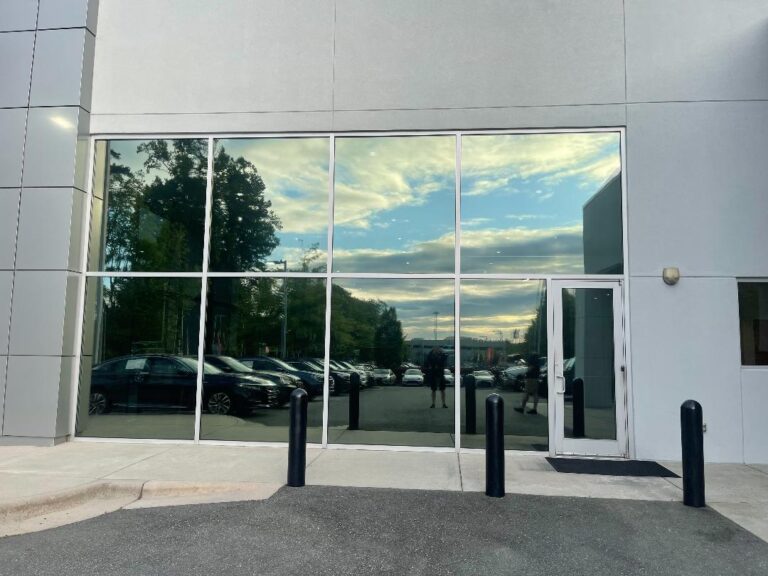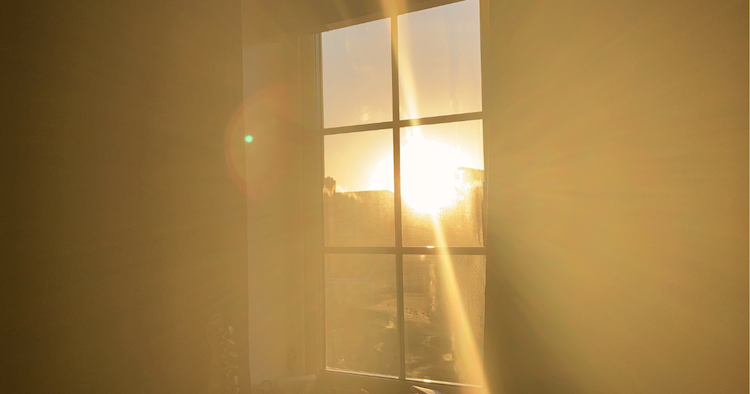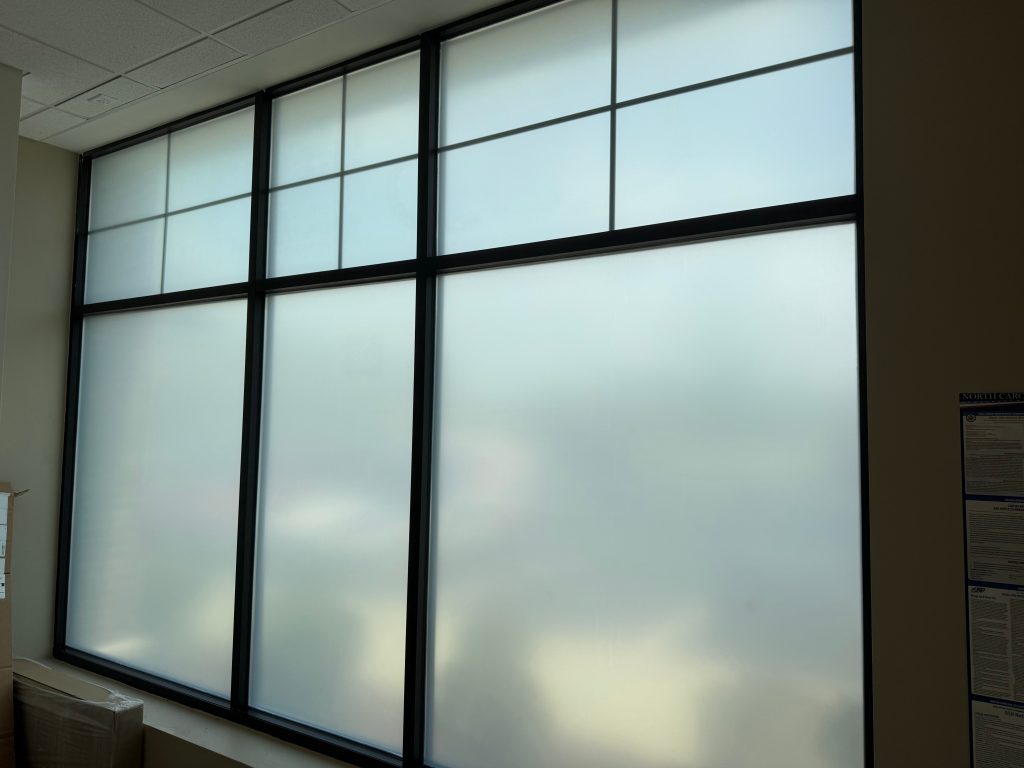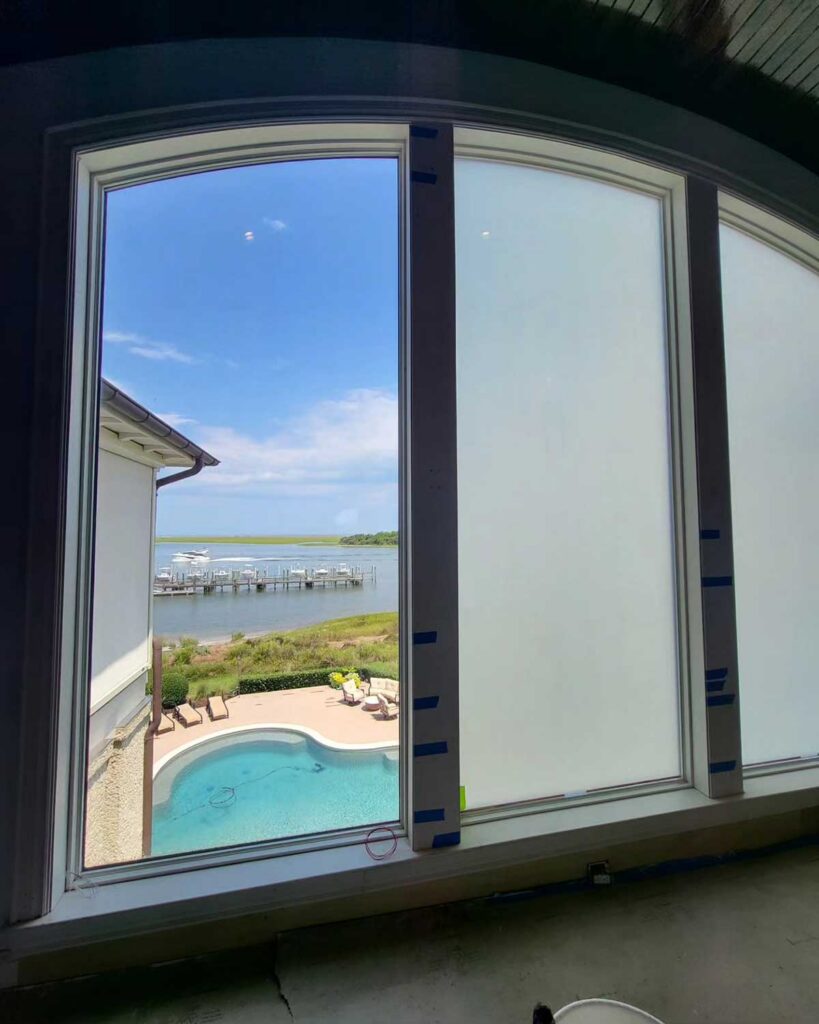
If your building has ever gone through an energy audit, its windows were probably scrutinized. Glass is typically the weakest point in commercial spaces, and window film is one of the few improvements that saves energy without replacing the glass.
This article explains what auditors actually measure, why windows consistently surface as a source of energy loss, and how window film installation can help preserve your building’s energy efficiency.
What a Commercial Energy Audit Actually Measures
An energy audit is a systematic review of how your building uses and loses energy. A certified auditor examines your HVAC system, insulation, lighting, mechanical controls and your building envelope. The building envelope is everything separating conditioned interior space from the outside: walls, roof, floors and windows.
Auditors combine on-site observation, utility bill analysis and diagnostic equipment to identify where energy is escaping or working harder than it should. The result is a prioritized improvement list, ranked by cost and projected return.
Most commercial audits follow ASHRAE standards. ASHRAE (the American Society of Heating, Refrigerating and Air-Conditioning Engineers) defines three audit levels, ranging from a basic walkthrough to a detailed investment-grade analysis used to justify major capital projects.
Windows Are Almost Always Part of the Problem
Windows are structurally the weakest point in any building envelope. According to the U.S. Department of Energy, windows influence building end uses that account for 40% of building energy use. In a building with significant glass area, this energy loss causes real HVAC overwork, especially during Southeastern summers when west- and south-facing glass absorbs direct sun for hours at a time.
Auditors assess windows using two primary metrics:
| Metric | What It Measures | Why It Matters |
|---|---|---|
| U-factor | How quickly heat moves through the glass itself | Lower is better, less conduction loss |
| Solar Heat Gain Coefficient (SHGC) | How much solar energy passes through glass as heat | Lower is better, less cooling load |
Most standard commercial glass, especially older single- and double-pane installations, performs poorly on both. When an auditor identifies high heat gain through glass, the typical recommendations are window replacement or window film. Replacement is expensive and disruptive. Film is not.
How Window Film Addresses the Gaps an Audit Identifies
Professional solar control window film reduces the amount of solar energy passing through your existing glass. It does not change the U-factor of the glass itself, but it can meaningfully lower the effective SHGC, which directly reduces heat entering the building.
The U.S. Department of Energy describes window film as a low-cost, short-payback technology, with commercial retrofits typically paying back in 3 to 5 years. That time frame places window film in the range most capital planning teams consider acceptable for efficiency upgrades, and it is significantly faster to realize than window replacement with no structural changes required.
Film can help reduce the cooling load on your HVAC system during peak summer months. It also cuts glare, which tends to prompt employees to close blinds, increasing lighting costs and eliminating the natural light the glass was supposed to provide. Most commercial solar films also deliver up to 99% UV protection (varies by film), which slows interior fading of furniture, flooring and finishes.
In most audits, this places window film among the highest-return, lowest-disruption upgrades available for reducing cooling load.
What Film Changes on Your Energy Score, and What It Does Not
Window film improves your building’s thermal performance, but it does not transform a poorly performing envelope on its own. The improvement is real and measurable, particularly for buildings that have never addressed solar heat gain through glass.
Film lowers your effective SHGC. It does not change the insulating value (R-value or U-factor) of the glass assembly. If your audit shows that conduction loss through thin or single-pane glass is the primary driver of your score, film addresses part of the problem, not all of it.
For buildings where solar gain is the dominant driver of cooling costs, film is often the highest-ROI improvement available. Where conduction is the primary issue, film still adds value as part of a broader upgrade strategy.
Where Window Film Sits in Your Upgrade Sequence
Energy audits produce prioritized lists. Window film typically lands in the mid-tier, less expensive and less disruptive than HVAC or window replacement, but more lasting in impact than behavioral changes like adjusted thermostat schedules.
On LEED certification. Window film can contribute to points in the Energy and Atmosphere and Indoor Environmental Quality categories, which makes it one of the few upgrades that supports both performance and certification goals. For a detailed breakdown of how those credits are structured, see our article on window film and LEED certification.
On sequencing with HVAC. If your audit flags multiple systems, prioritize HVAC efficiency upgrades first if they address the largest share of consumption. Window film is a strong second step. It reduces the thermal load your HVAC carries, which extends equipment life and compounds the return on both investments.
On multi-site properties. Coordinated film installation across multiple locations is manageable through a single provider. Tint USA handles multi-location commercial window film projects throughout the Charlotte metro, Greenville, Greensboro, Raleigh and beyond.
What to Bring to a Window Film Consultation After an Audit
Bring your audit report or summary. The specific language your auditor used matters. If they noted high SHGC values or identified solar gain as the primary driver of cooling costs, that information helps match the right film performance to your actual problem.
Tint USA’s consultation process includes metering each glass type in your building and installing labeled film samples on your actual windows before any commitment is made. You see the product on your glass, with clear performance data, before the project begins. That is the information you need to justify the investment to ownership, an operations team or a capital budget committee.
If your audit flagged window performance as a driver of energy loss, the next step is to evaluate film on your actual glass. Visit the commercial solar window tint page or contact us directly to schedule a consultation and see performance data before committing to an upgrade. Tint USA serves commercial property owners throughout the greater Charlotte area, including Concord, Huntersville, Mooresville, Fort Mill, Rock Hill and surrounding markets in North and South Carolina.
Frequently Asked Questions About Energy Audits
Does window film affect my building’s U-factor or SHGC?
Film does not change the U-factor of your existing glass, but it can meaningfully lower the effective SHGC, which is the measure of solar heat passing through the glass into your building. For buildings where solar gain is the primary driver of cooling costs, that change is where most of the performance improvement comes from.
How long does it take for commercial window film to pay back its cost?
The Department of Energy cites a typical commercial retrofit payback period of 3 to 5 years for window film. Actual results depend on your climate, glass area, orientation and how your building is used. A consultation that includes metered glass readings and film samples gives you the data to estimate payback for your specific building before committing.
Can window film help with LEED certification?
Yes. Window film can contribute to credits in the Energy and Atmosphere and Indoor Environmental Quality categories, depending on film selection and how the project is documented. See our full breakdown in the article on window film and LEED certification.